Recipes

Beginner Friendly Tonkatsu

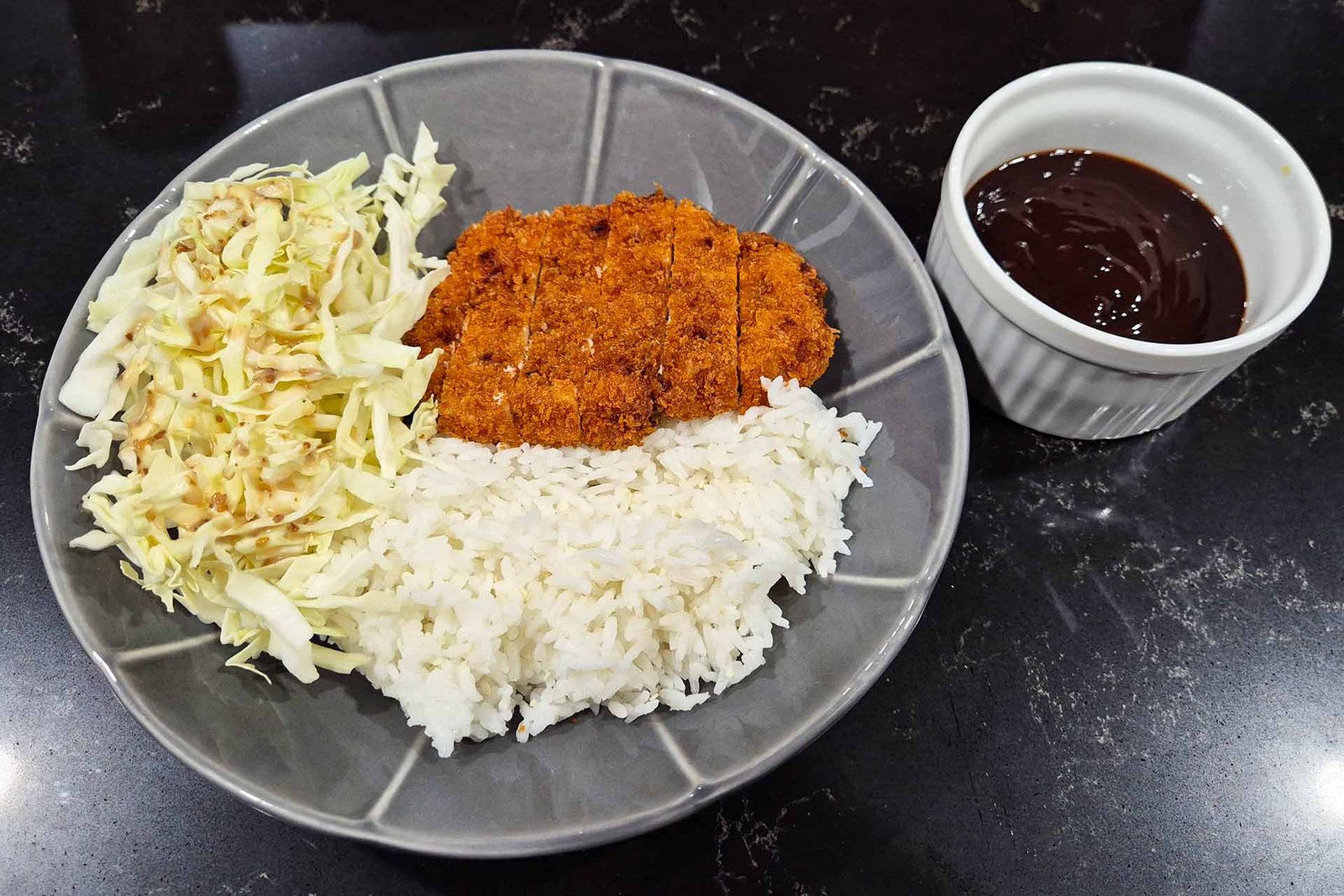
A plate of pork tonkatsu, cabbage salad, and white rice with sauce on the side

“To err is human…” is a famous quote attributed to famous poet Alexander Pope, but I would also say “To fry is human.” Humanity across the globe has fried foods as an easy, quick, and effective way to cook food for millennia. It is one of the constants in cuisine between cultures, ranging from Africa to Europe to the Americas to Asia, which is where we find the humble and delicious tonkatsu in Japanese cuisine.

Tonkatsu is a fried pork cutlet that has been breaded in panko breadcrumbs. While this recipe focuses and celebrates the tonkatsu in its humble and delicious original form, it’s also used in a variety of other manners as well from sandwiches, curries, and more.

This recipe is simple one but it’s as beginner friendly to frying food as you can ask for, with a sweet and zingy sauce to compliment it on a bed of rice, and a bright, crunchy, creamy cabbage salad on the side. It’s also a simple recipe to scale up in size as well, depending if you are making tonkatsu for yourself or for a family.

Kitchen Tools & Equipment

For the Tonkatsu

For the Sauce

For the Salad

Tonkatsu Instructions

Prepare the Pork

Step 1
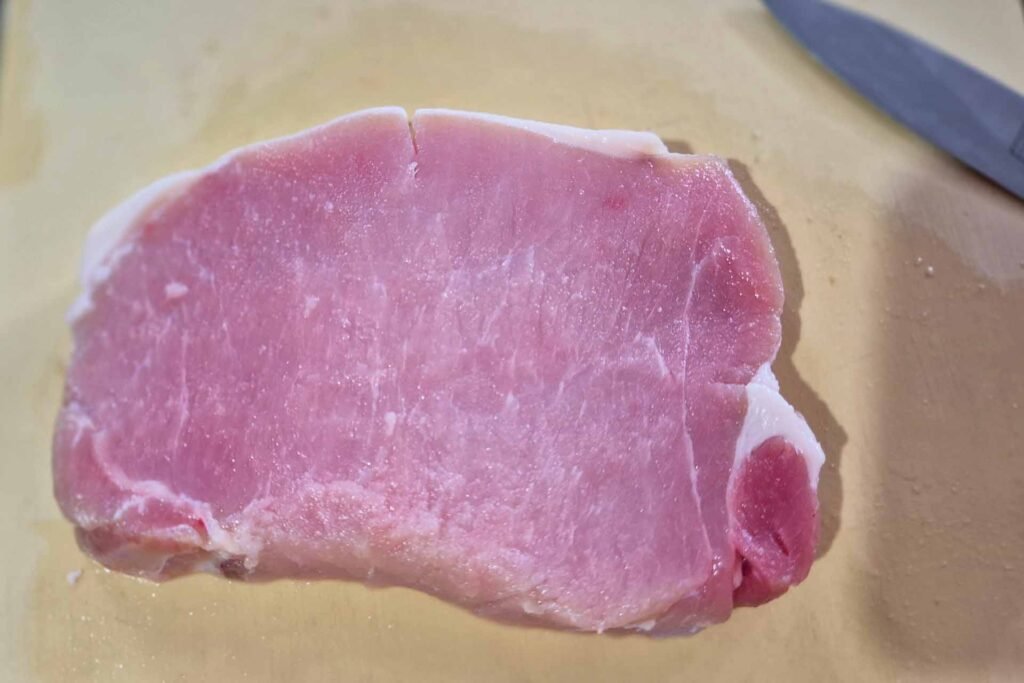
Flatten pork to approximately 1 inch thickness. If you don’t have meat tenderizer, use rolling pin or flat-bottomed pan (preferably heavy). This helps ensure a quick and even fry.
Note: If the pork cutlet is already approximately 1 inch thick, it does not need to be flattened.
Raw pork cutlet on a cutting board

Step 2

Cut small incisions into the fatty parts at the edge of the pork to prevent the cutlet from curling when frying.

Step 3

Lightly salt and pepper both sides of the pork cutlet.

Prepare the Dredge

Step 4

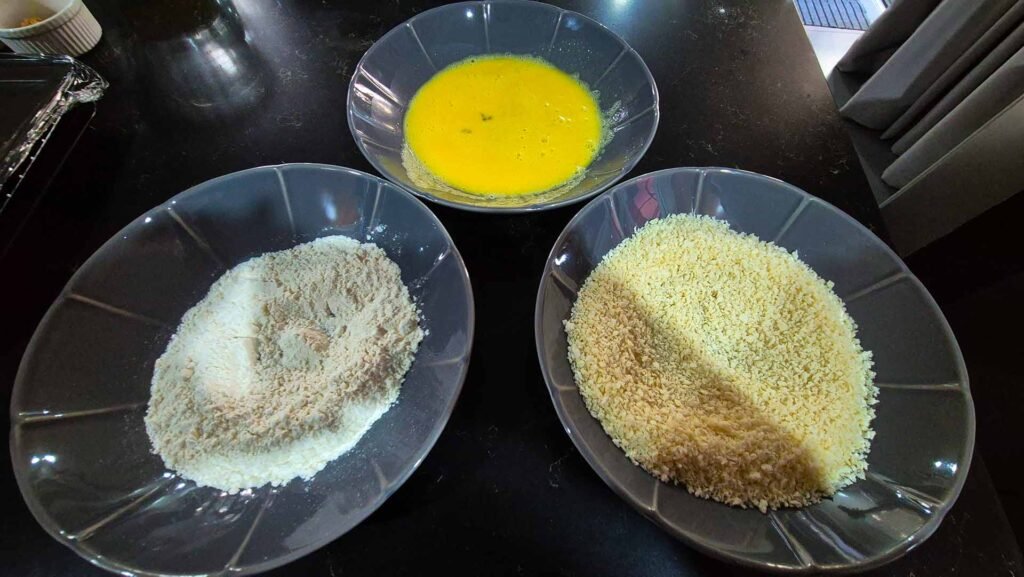
Line up 3 wide plates or bowls side by side. In the first add the all-purpose flour. In the second, mix egg, milk and 1 teaspoon of cooking oil. In the third, add panko breadcrumbs.
Bowls of raw scrambled egg, panko breadcrumbs, and flour

Heat up the Fryer

Step 7

In a deep pot, fill with oil, at least 2 inches more than the pork cutlet thickness. Heat the oil until the thermometer reaches 170°C (338°F).

Dredge the Pork

Step 8

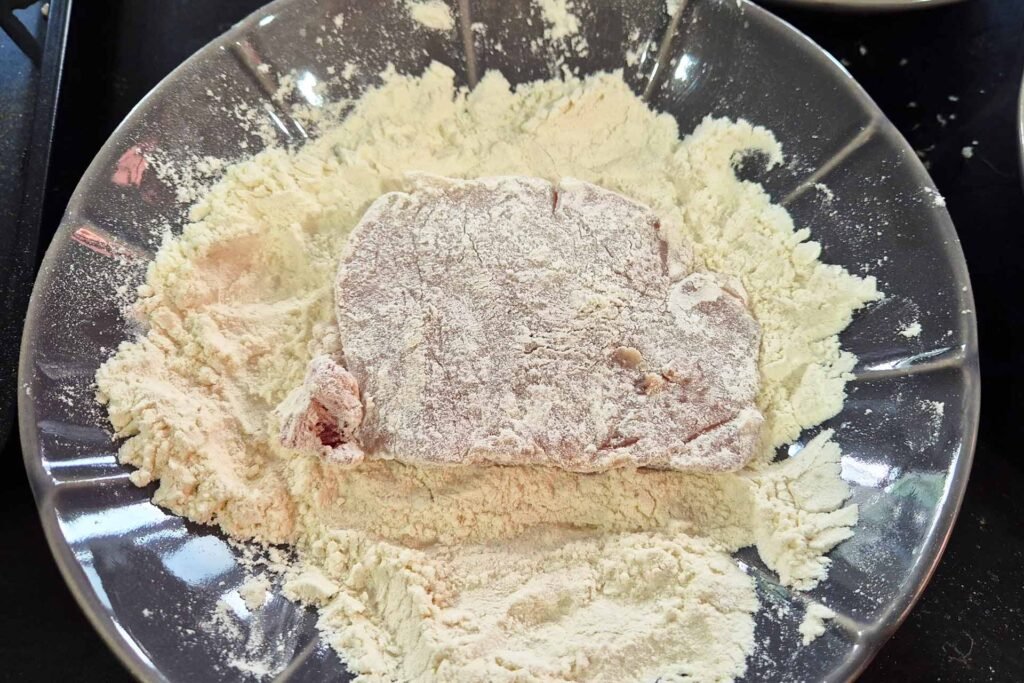
Dip pork cutlet in flour and then shake excess flour off.
Raw pork cutlet laying in a bowl of flour

Step 9

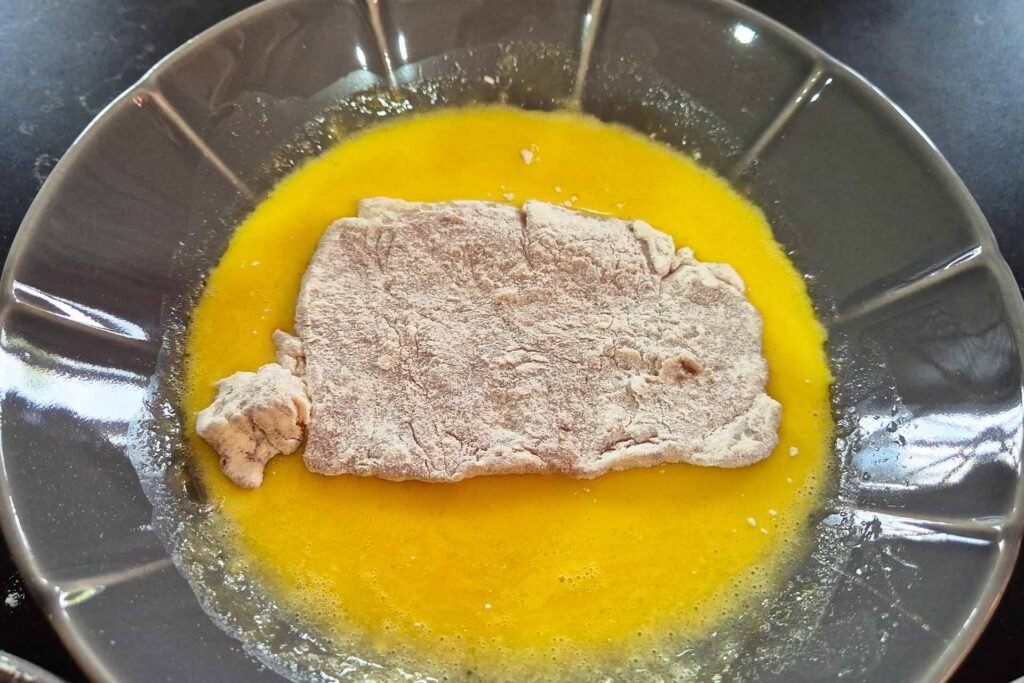
Dip coated pork cutlet into egg mixture and then let the excess mixture drip off.
Pork cutlet coated in flour and laying in a bowl of raw scrambled eggs

Step 13

Slice the fried cutlet into approximate 1 inch strips and place on plated rice.

Optional

Drizzle the tonkatsu sauce over the top of the tonkatsu.

Step 10

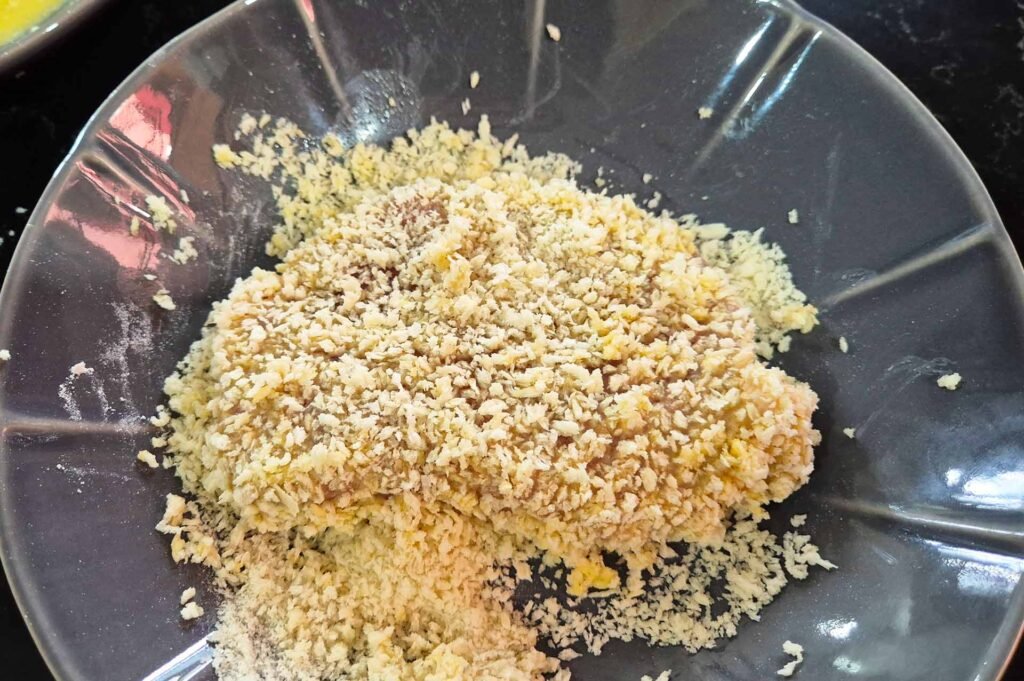
Coat in panko breadcrumbs, pressing them into the coated pork cutlet to ensure they stick.
Pork cutlet coated panko breadcrumbs

Time to Fry

Step 11

Carefully place the panko encrusted pork cutlet into the hot oil. After approximately 4 minutes, flip the cutlet with your tongs. Usually the frying is much quieter near the end of the cooking period.
Note: If your pork cutlet is lean, it may take a little less time to finish cooking. If that is the case, do 3:30 seconds on each side. Also, if you are making more than one cutlet for a meal, do not overcrowd the pan as it will cause the oil temperature to drop.
Pork cutlet being deep fried in a large pot with a thermometer

Step 12

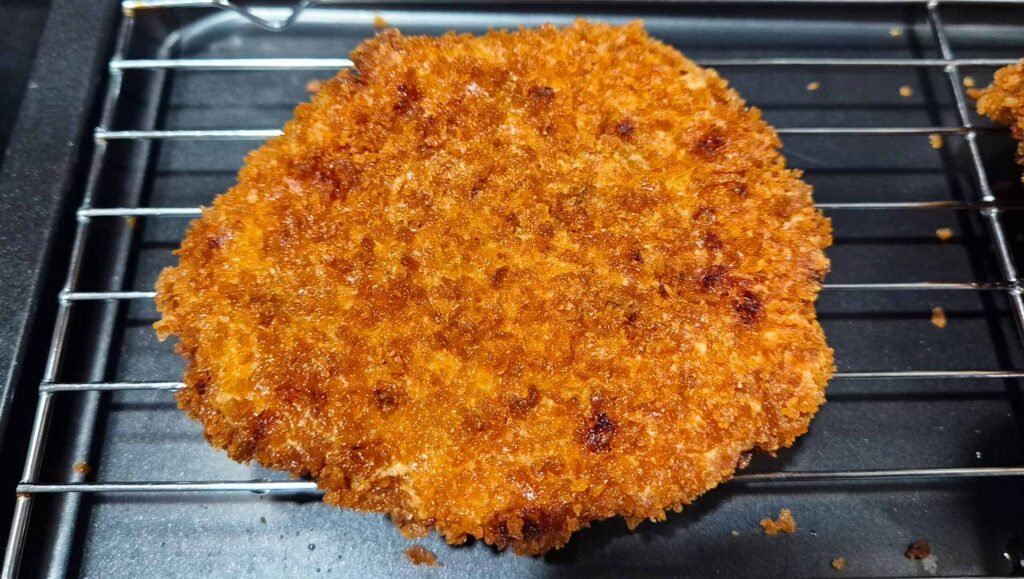
Remove the cutlet from the oil and place on the wire cooling rack to rest.
Note: If you are making more than one cutlet for the meal, please remember to remove the crumbs in the oil with a slotted spoon or mesh spoon to ensure that nothing burns in the oil.
Fried pork cutlet Tonkatsu laying on wire cooling rack

Sauce Instructions

Step 1

In a small bowl, dissolve the sugar in the Worcestershire sauce and soy sauce

Step 2

Add and mix in the ketchup and oyster sauce.

Step 3

Taste and adjust as needed to desired sweetness or acidity.

Step 4

Drizzle over your tonkatsu or use as a dipping sauce.

Step 5

Store leftovers in an air-tight container in a fridge for future use.

Optional

You can add spices to the tonkatsu sauce as you desire, such as black pepper, garlic powder, or onion powder. This is meant as a delicious foundational sauce as is, but it allows for you to create the perfect complement for your palate!

Cabbage Salad Instructions

Step 1

Cut the cabbage in half vertically, through the core. Cut one half in half again so you have quarters and then cut the quarters again for eighths. Then chop the cabbage horizontally so you’re left with thin strands of cabbage.

Step 2

Wash the sliced cabbage and then let dry

Step 3

Plate next to the katsu and rice, or on a side dish, then dress with your desired amount of sesame soy dressing.

Final Step

Enjoy!
To top